China’s nuclear submarine test-launches long-range ballistic missile into Pacific, sparking regional condemnation
07/08/2026 / By Willow Tohi
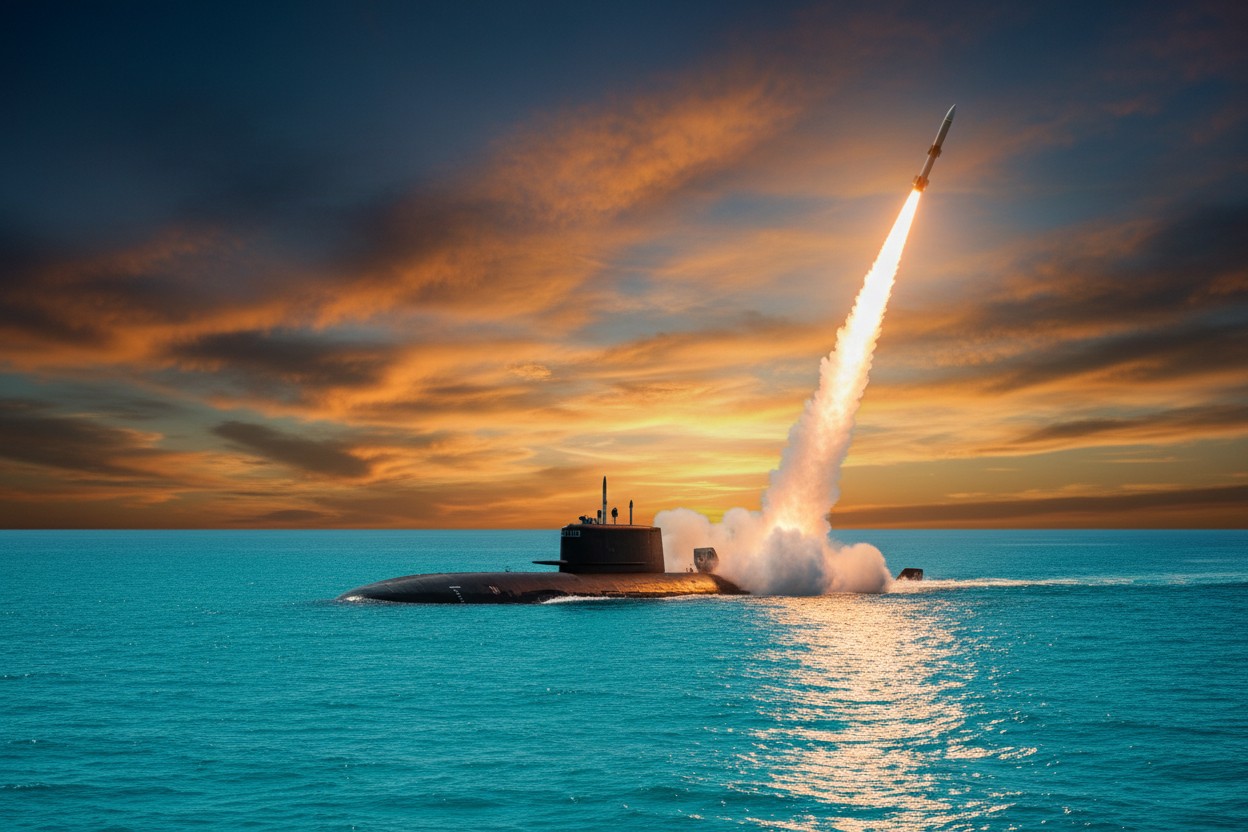
- China conducted its first submarine-launched ballistic missile test since 2024, firing a JL-2 or JL-3 missile from a nuclear submarine into the Pacific Ocean.
- The missile carried a simulated warhead and traveled approximately 4,350 miles, landing near the exclusive economic zone of Kiribati or Tuvalu.
- Australia, Japan, New Zealand and the United States condemned the test as destabilizing and lacking transparency.
- China notified relevant countries in advance and described the launch as routine annual training not directed at any specific country.
- The test marks a significant shift from China’s historical practice of confining missile tests to its own desert territory.
China’s rare submarine missile test
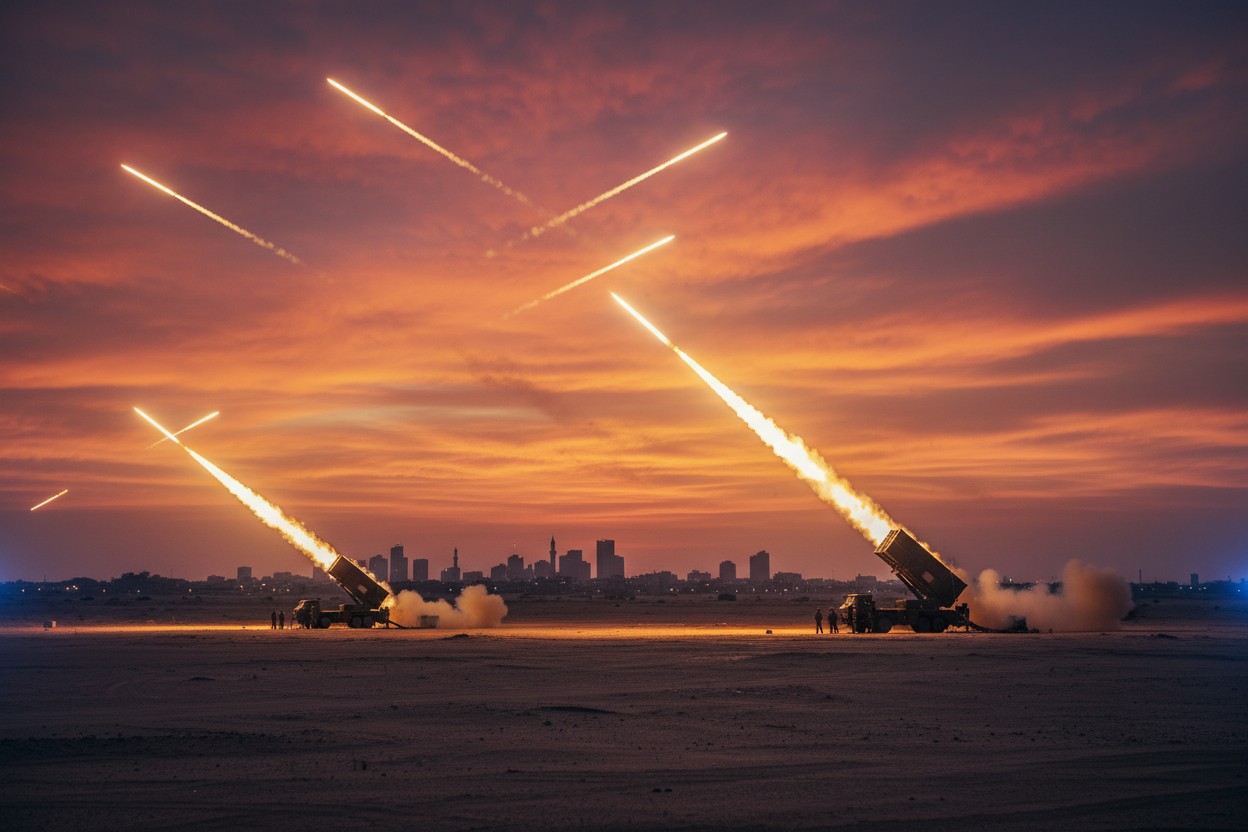
China’s People’s Liberation Army Navy conducted a rare test launch of a long-range ballistic missile from a nuclear submarine on Monday, firing a simulated warhead into the Pacific Ocean in a display of strategic capability that drew swift condemnation from regional allies. Navy spokesman Senior Captain Wang Xuemeng confirmed the launch at 12:01 p.m. from a Chinese nuclear submarine. It marked the first submarine-launched ballistic missile (SLBM) firing since 2024 and a departure from China’s practice of confining missile tests to its desert territory.
The launch: What was fired and where it landed
Analysts at the Open Nuclear Network identified the missile as likely a JL-2 or newer JL-3 SLBM. The JL-2 has a range of 4,350 miles, while the JL-3 can exceed 6,000 miles. Both can carry nuclear warheads. Chinese notices indicated the missile launched from Bohai Bay and flew to the South Pacific. Before the test, China positioned three long-range tracking ships in the Western Pacific near Guam. CNN reported the missile landed near the exclusive economic zone of Kiribati or Tuvalu.
A shift in Chinese nuclear posture
Monday’s launch departed from China’s long-standing practice of testing ballistic missiles within its borders, previously confined to desert ranges. Analysts call it a deliberate show of strength. In September 2024, China tested an intercontinental ballistic missile (ICBM) from Hainan island into waters near French Polynesia, drawing criticism from Australia and New Zealand. The SLBM test highlights China’s rise as a world-class submarine power.
Regional reaction: Condemnation from U.S. allies
Australia, Japan, New Zealand and the U.S. condemned the test. U.S. State Department spokesman Thomas Pigott called Beijing’s opaque nuclear buildup concerning. Australian Foreign Minister Penny Wong accused China of destabilizing the region with a lack of transparency. Japan expressed serious concern and urged China to reconsider, noting space debris alerts for its exclusive economic zone.
China’s response: Routine training, not escalation
Wang Xuemeng said the test was routine annual training, with relevant countries notified in advance. The missile landed precisely in designated waters, complying with international law and not targeting any country. Foreign Ministry spokeswoman Mao Ning urged nations not to overinterpret the safe, standard and professional test.
The missile: JL-2 or JL-3 capabilities
Analysts identified the missile as likely a JL-2 (range 4,350+ miles) or JL-3 (range 6,000+ miles). Both are nuclear-capable. The test contrasts with China’s tradition of desert launches, noted analyst Tianran Xu of the Open Nuclear Network.
Broader context: China’s nuclear modernization
Chinese leader Xi Jinping has pushed military nuclear upgrades. The Federation of American Scientists reports roughly 350 new missile silos and bases for road-mobile launchers, plus upgraded long-range bombers for nuclear-capable missiles. The head of U.S. Navy intelligence warned in March that China’s submarine production could challenge U.S. undersea dominance by 2040.
Geopolitical context: Tensions beneath diplomatic gestures
The test followed mixed signals. U.S. President Donald Trump met Xi in Beijing in May, and Trump expects Xi to visit the U.S. in late September. Yet tensions persist: the U.S. sanctioned Chinese oil firms over Iran trade, China sanctioned ten U.S. companies, and Beijing condemned the U.S.-Israel war against Iran and the U.S. blockade of Cuba.
Strategic implications: A show of force
The test signaled a shift from internal desert launches to open Pacific demonstrations, representing a show of strength. Before the launch, China positioned tracking ships near Guam. The test likely aimed to re-establish China’s rocket force credibility after a purge of military leadership, including dismissal of several commanders. The September 2024 ICBM test served a similar purpose.
A new era of Chinese undersea deterrence
Monday’s SLBM test signals a fundamental shift in China’s nuclear posture toward open Pacific demonstrations. With 350 new missile silos, upgraded bombers and expanded submarine production, the test underscores accelerating modernization. While described as routine, it raises questions about transparency and stability in the Indo-Pacific. As the U.S. Navy intelligence chief warns of challenges to American undersea dominance by 2040, Monday’s test may mark China’s transformation from a regional land power into a global nuclear deterrent force.
Sources for this article include:
Submit a correction >>
Tagged Under:
big government, chaos, China, dangerous, geopolitics, global power, globalism, military tech, modernization, national security, nuclear, weapons tech
This article may contain statements that reflect the opinion of the author
RECENT NEWS & ARTICLES